%20playeasy%20logo.png?width=150&height=34&name=(PNG%20BLACK)%20playeasy%20logo.png "(PNG BLACK) playeasy logo")
How United Grid League Grew a Social Media Following of 500k+
Ruby George, United Grid League
How Ruby and the United Grid League built a grassroots audience and leveraged social media to take their sport and brand to the next level
"Everything I share comes from relevant ideas sparked by articles I’m reading, conversations I’m having, or themes connected to our core values and past sponsors. If it were just about likes or engagement, I would’ve stopped posting a long time ago".
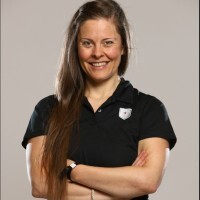
Ruby George
Co-Founder, Director of Partnerships
Q1: Social media has played a big role in how United Grid League has grown. Early on, how did you think about using social media as a growth channel?
We honestly didn’t think about social media until a few years in. Early on, we focused on getting our systems down and building a grassroots audience for United Grid League.
When COVID hit and we couldn’t have a season, we suddenly had more bandwidth. That’s when we really turned our attention to social media. My co-founder always knew media would be important, so luckily we had three years of content already banked. That’s when our following really began to grow. But I truly believe it was vital to develop a high-quality sport and grassroots audience first.
Once we had that foundation, we started paying attention to what people actually wanted to see. What really took off were short, fast, high-virality moments. Our sport gets right to the action, which makes it easy to create videos around humans doing incredible things that grab attention.
Q2: How do you think about your personal social media presence versus United Grid League’s channels, and why do you invest in both?
United Grid League social media is focused on fans and players, engaging with them in a real and authentic way. My personal social media, mostly just LinkedIn, is more focused on thought leadership around sponsorship and building community within a sport. I’m Head of Partnerships and have a lot of event experience, so those are the topics I naturally lean into.
For United Grid League content on my personal channels, I’ll occasionally share behind-the-scenes moments, especially around sponsors or products we’re working with, to help build excitement for what’s ahead.
My LinkedIn doesn’t have a huge following and I don’t get massive engagement. But I’m always surprised by how many people say, “I’ve seen your posts on LinkedIn, I really appreciate what you share.”
Sponsors may check my LinkedIn before we ever speak. Having my thinking and perspective out there helps build trust early. That’s honestly why I keep posting. If it were just about likes or engagement, I would’ve stopped a long time ago.
I also don’t post just to post. Everything I share comes from relevant ideas sparked by articles I’m reading, conversations I’m having, or themes connected to our core values and past sponsors.
Jake's Take
Putting yourself out there on social media isn’t easy.
Building a real brand and meaningful network from it is even harder.
Ruby George, Co-Founder and Head of Partnerships at United Grid League, has managed to do both.
I’ve followed Ruby’s thoughtful posts on LinkedIn for quite some time. When you pair that with United Grid League’s rapidly growing social presence, she was the perfect person to talk about what social media can unlock for your personal brand or organization.
A big takeaway outside of social media though was Ruby’s thoughts on what makes a great venue and destination partner. She is newer to working with destinations but has already seen the tremendous value a destination partner can bring.
There are still so many event organizers who don’t fully understand what a destination partner can do for them. Helping bridge that gap is a big part of why we started Playeasy and this Thought Leader Series.
I learned a lot from this one, and I think you will too. And if you’re an event organizer who’s reading this and thinking about partnering with a destination, take the next step. You won’t regret it!
Q3: How has showing up consistently on socials helped you form new relationships, whether that’s sponsors, destination partners, or industry partners?
Funny enough, I had been reaching out to one CPG brand that I personally use for about a year without getting a response. Then I saw a post of theirs that was really relevant, commented with a thoughtful idea about what we could potentially do together, and ended up hearing back. That conversation turned into a partnership.
There are definitely times when it feels like I’m just wasting time on LinkedIn. But moments like that are a reminder that you never really know what opportunities or conversations can come from showing up consistently on social media.
Q4: From your perspective as an event organizer, what makes a destination a great partner to work with? Are there any examples that really stood out to you?
The biggest thing for us is whether a venue or destination actually cares about the success of the event. That’s the real differentiator. I’ve worked with venues that don’t care at all and just nickel and dime you, with no regard for the players or the fans.
When a destination takes the time to understand what we need and helps us plan ahead, it makes a huge difference. It immediately makes us want to come back to that city and venue again.
That support shows up in small but important ways. Helping us navigate food and beverage, connecting us with ticketing partners, staffing, things like that. Last year at one of our events, we realized we didn’t have wristbands. The team at the Kissimmee Civic Center stepped in and grabbed them for us on the spot. Most venues would have charged us a lot of money just to use 20 wristbands.
What I’ve learned is that it’s usually all or nothing. Either the entire venue staff is invested, or no one really cares. And honestly, if you find a venue or destination that truly fits what you need, even if it’s not the most obvious or popular option, it’s usually the better long-term partner.
Knowing what questions to ask and getting clear on pricing upfront is critical so you’re not surprised by unexpected charges later. That happens all the time with venues.
This is where a destination or CVB can be incredibly helpful. They know which venues are a good fit and which ones might nickel and dime you, and they can help you navigate that before you’re locked in.
I was talking with a CVB recently who said, “This convention center is probably your best option, but they’re going to nickel and dime you. Here’s how we should structure the quote, what we need to ask for, and what must be covered.” Having someone walk you through that and advocate on your behalf makes a huge difference.
That kind of partnership lets you plan with confidence instead of reacting to surprises.
Q5: You’ve leaned into longer-form conversations through podcasts and interviews. How has that format helped you tell your story to brands or destinations compared to short-form content alone?
Long-form content for me right now is really about practice. I can see a future where we’re on much larger shows, and I want to be ready for that.
Being clear, engaging, and entertaining while still getting across exactly what I want to say is a skill. It’s harder than people think, especially when you’re being interviewed on camera. So any opportunity I have to refine that and introduce the sport to a new audience is valuable.
Q6: The Playeasy Innovators Summit was your first sports tourism conference. What surprised you most about networking with destinations in person, and how did that experience change or accelerate relationships that may have started online?
I will say, I met a couple of people at that summit where just talking to them 100% made me want to try to get to their location, even if it doesn’t make sense for us right now.
I could immediately see how great of a partner certain people would be, which makes me want to get there in the future. Our host cities are very much based on where our fans are at the moment.
But as we grow, if we get a Utah team, I already know the destination I’m calling first to try and find a good venue for us. It was surprising how much the summit shifted my thought process around where we might go next, especially with so many different locations out there.
Before Playeasy, it really was a shot in the dark. I would just start Googling cities and had no idea conferences like this even existed.
I also didn’t realize how many people actually want events like ours to come to their location. That was really eye-opening. The Summit was a lot of fun, and I got to meet some really great people.
Q7: If you had to give one piece of advice to event organizers trying to grow their brand, audience, and network at the same time, what would it be?
What worked for us was focusing on the player experience first and making sure the sport itself was viable. We started very grassroots in tiny gyms, figuring out the logistics and building a real foundation. Our sport is complicated. There’s a lot of equipment and setup, so getting that right came before anything else.
Not everyone needs to spend years figuring out logistics, but investing early in the player experience and how teams are treated made a huge difference for us. That foundation is what allowed us to grow later, whether that meant building an online following or working with partners.
Early on, we weren’t chasing big sponsorships because we didn’t have enough value to offer yet. Our entire budget was built around player and team fees, and everything we spent had to be covered by that. Once we had traction and truly understood our players and audience, that’s when partnerships, media, and live streaming started to make sense.
We built everything brick by brick. I see a lot of leagues feel pressure to land sponsors, investors, or distribution right away before they fully understand the magic of their sport. But if you don’t have a compelling product and people who genuinely care, it’s hard to sustain the flashy stuff long term.
That’s just been my experience building this sport for nine years. I love talking events, logistics, and growth, and I’m always happy to connect.
Interested in Connecting with Ruby Further?
Where Ideas Turn Into Action
Join us at the 2026 Playeasy Innovators Summit to connect with peers across the sports tourism & events ecosystem and dive deeper into the ideas shaping the future of destinations and experiences.
Interested in learning more?
If you’d like to learn more about Playeasy or explore ways to collaborate, we’d love to connect.